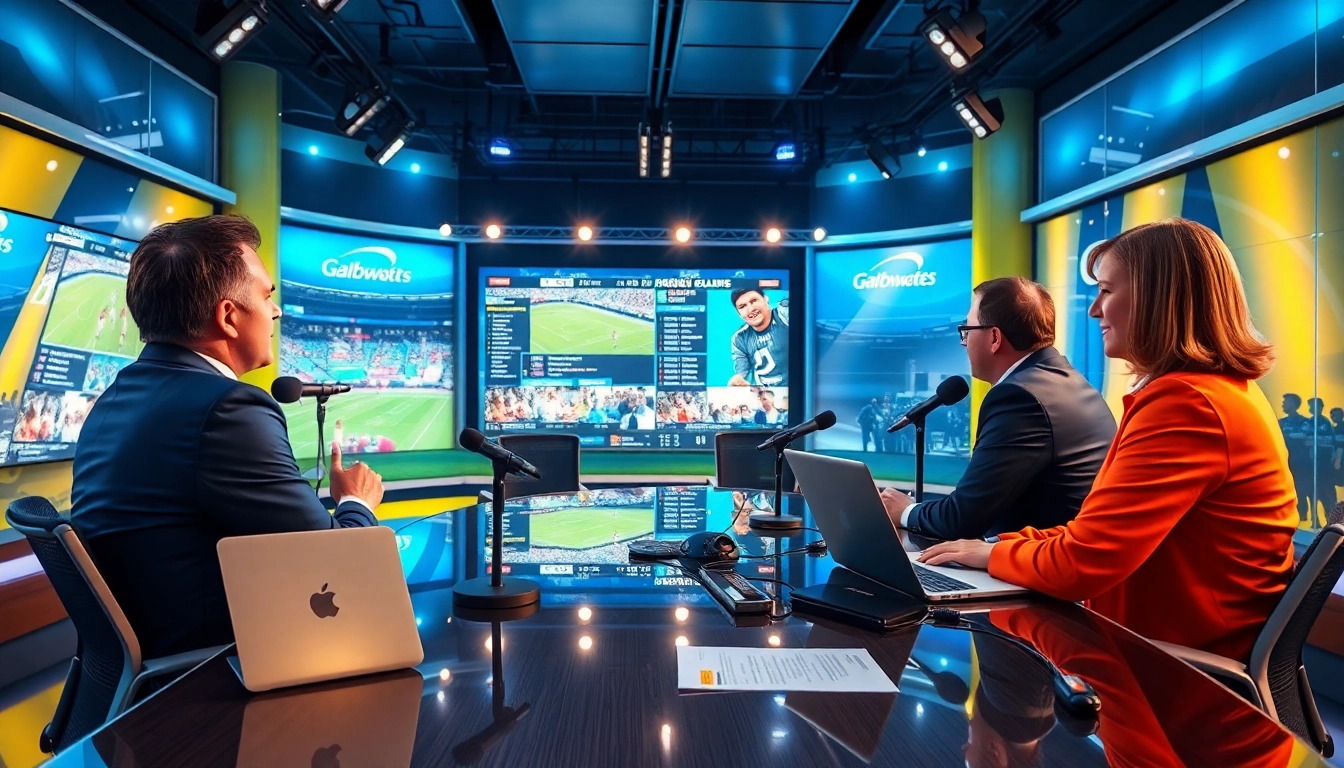
Understanding Sports Broadcasting
Definition of Sports Broadcasting
Sports broadcasting refers to the transmission of sporting events over radio, television, or digital platforms. It serves the purpose of bringing live sports to audiences around the world, enabling fans to experience the thrill of games as they happen. The industry combines various elements including commentary, analysis, and highlights, to enhance viewer understanding and engagement. In this digital era, Sports Broadcasting not only encompasses traditional channels but also streaming services and social media platforms, expanding the reach and accessibility of sports content.
History of Sports Broadcasting
The origins of sports broadcasting date back to the early 20th century, when radio became the first medium to relay sports events to audiences. In 1921, radio stations began airing boxing matches, marking the dawn of sports commentary. Fast forward to the 1930s, television emerged, fundamentally transforming how sports were consumed. The first televised sporting event, a college baseball game, occurred in 1939, and since then, televised sports have exploded in popularity, leading to dedicated sports channels and major broadcasting deals.
With the advent of cable TV in the 1980s and the internet in the late 1990s, sports broadcasting entered a new era. Channels dedicated solely to sports content, like ESPN, revolutionized the industry by providing comprehensive coverage and analysis. Today, technological advancements such as HD broadcasting, virtual reality, and live streaming have further evolved viewer experiences, making sports more engaging and accessible than ever before.
The Evolution of Sports Broadcasting Technology
The technological evolution in sports broadcasting has been shaped by innovations that have significantly improved viewer engagement. The transition from black-and-white screens to high-definition and 4K resolution brought vivid visuals and crystal-clear audio to the homes of millions. Satellite and cable technologies allowed for a greater number of channels, creating specialized sports broadcasting networks.
Online streaming platforms have disrupted traditional broadcasting models, giving audiences the flexibility to watch on-demand content on various devices. Furthermore, emerging technologies like augmented reality (AR) and virtual reality (VR) are redefining the spectator experience, allowing fans to feel as though they are part of the action. Enhanced graphics, statistical overlays, and innovative camera angles provide deeper insights into games, making sports broadcasting an ever-evolving field.
Key Challenges in Sports Broadcasting
Maintaining Viewer Engagement
One of the primary challenges in sports broadcasting is maintaining viewer engagement amidst a landscape saturated with entertainment options. Audiences today have shorter attention spans and higher expectations regarding content quality. To combat this, broadcasters must develop engaging narratives, not just presenting scores and statistics but telling compelling stories behind the athletes and teams.
Interactive features, such as polls, real-time stats, and second-screen experiences, can enhance engagement levels. For instance, providing viewers with the opportunity to vote on player of the match or engage in live discussions via social media can foster a sense of community among fans. Understanding audience preferences and adapting content accordingly is critical to creating lasting engagement.
Technical Issues and Solutions
Technical issues can disrupt sports broadcasts, potentially alienating viewers. Common challenges include unreliable internet connections, equipment malfunctions, and audio-visual synchronization problems. To mitigate these issues, broadcasters must invest in high-quality technology and infrastructure that can withstand the demands of live events.
Implementing rigorous technical tests before broadcasts and having backup systems in place can safeguard against disruptions. Additionally, utilizing cloud-based solutions for production and distribution allows for greater flexibility and reliability in delivering content to various platforms. Constant training for technical staff is also essential to ensure they can quickly resolve issues should they arise.
Adapting to Changing Viewer Preferences
The sports broadcasting landscape is continually shifting as viewer preferences evolve. Increasingly, audiences are gravitating towards personalized experiences, favoring options that allow them to choose their own viewing paths. This demand for customization is prompting broadcasters to implement interactive viewing options, where fans can select camera angles, commentary styles, or even specific players to follow during live events.
Understanding demographic shifts, such as the influx of younger viewers, is crucial for developing relevant content. Innovating around mobile access, providing shorter highlights, and creating engaging social media snippets can capture the interests of a generation that consumes content differently than their predecessors.
Best Practices for Effective Sports Broadcasting
Utilizing Multi-Platform Strategies
In the current digital age, employing multi-platform strategies is essential for successful sports broadcasting. Audiences are consuming content across various devices – from smartphones to smart TVs – making it crucial for broadcasters to ensure their content is accessible on every platform. Seamless integration of social media, mobile apps, and websites allows fans to engage with their favorite sports whenever and wherever they choose.
Establishing a strong web presence and actively engaging with audiences on social media channels can drive traffic to official broadcast platforms. For instance, live-tweeting during games and sharing behind-the-scenes content on Instagram can create buzz and keep audiences informed and entertained.
Creating Interactive Viewing Experiences
Interactive viewing experiences enhance fan engagement and create a sense of immersion in the game. Implementing features like live polls, quizzes, and augmented reality (AR) elements can transform the viewing experience. Broadcasting platforms can integrate features that allow viewers to predict outcomes or vote for the best plays in real time.
Furthermore, creating customizable viewing experiences where fans can select their commentators or camera angles enhances user experience. Such features not only cater to diverse preferences but also foster a more involved audience, likely resulting in increased loyalty to the broadcasting platform.
Leveraging Social Media for Engagement
Social media is an invaluable tool in the sports broadcasting industry, serving as a conduit for real-time updates, fan interaction, and community building. Broadcasters can leverage platforms like Twitter, Facebook, and Instagram to promote live events, share highlights, and engage with fans. This continued engagement helps to attract younger viewers who may not primarily watch TV broadcasts.
Creating shareable content and encouraging audience participation through contests and fan features can enhance brand visibility and loyalty. Using targeted advertising on social platforms can also increase reach and draw in new viewers who are interested in the sports being broadcasted.
Metrics for Measuring Success in Sports Broadcasting
Key Performance Indicators to Track
To gauge the success of sports broadcasting, tracking key performance indicators (KPIs) is essential. Metrics such as viewer ratings, audience retention rates, and social media engagement statistics provide critical insights into the effectiveness of broadcasts. Understanding how viewers interact with content can help broadcasters refine their strategies and make informed decisions about future programming.
Additionally, monitoring subscription rates and revenue generated from advertisements and sponsorships allows broadcasters to assess their financial performance clearly. Metrics related to viewer demographics can also highlight trends in audience preferences and guide content development strategies.
Analyzing Viewer Data and Preferences
Diving deep into viewer data analytics can provide valuable insights into audience behavior and preferences. Analyzing which segments of the audience are watching specific sports or events can reveal trends that inform future programming decisions. For example, ridging content gaps or creating new programming based on similar viewer interests can enhance overall engagement.
Implementing advanced analytics tools can aid broadcasters in extracting actionable insights from viewer data. Furthermore, conducting surveys and soliciting feedback directly from viewers can foster a deeper understanding of their preferences, leading to more audience-centered programming.
Feedback Mechanisms for Continuous Improvement
Implementing effective feedback mechanisms is necessary for sports broadcasters aiming for continual improvement. Encouraging viewer feedback through surveys or social media can help gather insights into audience satisfaction and preferences. Analyzing this feedback enables broadcasters to identify areas for improvement and to adapt content accordingly.
Additionally, following industry trends and benchmarks aids in understanding how broadcasts stack up against competitors. Continual adaptation based on audience feedback can help maintain viewer interest and ensure content remains relevant and engaging.
Future Trends in Sports Broadcasting
Emerging Technologies Enriching Viewing Experiences
The future of sports broadcasting is set to be significantly influenced by emerging technologies. Innovations such as virtual reality (VR) and augmented reality (AR) promise to create immersive viewing experiences that transport fans right into the action. For instance, VR experiences can offer fans the sensation of being in the stadium, while AR overlays can provide real-time stats and information about the game.
Additionally, incorporating AI-driven personalized content recommendations can cater to individual viewer preferences, enhancing their enjoyment and engagement. As these technologies continue to evolve, the sports broadcasting landscape will inevitably change, creating new possibilities for how audiences interact with their favorite sports.
Shifts in Advertising and Sponsorship Models
The advertising landscape in sports broadcasting is undergoing significant shifts, driven by changing viewer habits and preferences. Traditional advertising models are being challenged as audiences increasingly opt for ad-free experiences through subscription services. In response, broadcasters must explore innovative sponsorship deals that integrate brands more seamlessly into the viewing experience.
Furthermore, personalized advertising that leverages viewer data can enhance relevance, leading to higher engagement rates. Partnering with brands that align with audience interests can offer exciting promotional opportunities, ensuring that the content remains engaging and sponsors receive value.
Predictions for Audience Engagement in the Next Decade
As technology continues to evolve, predictions for audience engagement in the sports broadcasting sector point towards a more interactive and immersive future. The demand for personalized content and experiences will drive broadcasters to develop tailored programs for niche audiences. Gamification, where viewers actively participate in experiences such as fantasy sports or betting, is likely to grow in popularity.
With advancements in mobile technology, engaging audiences through mobile apps and interactive features will be paramount for retention and growth. As the sports broadcasting landscape evolves, staying ahead of these trends will be essential for broadcasters to maintain competitiveness and relevance in a dynamic industry.
FAQs About Sports Broadcasting
What is Sports Broadcasting?
Sports broadcasting involves transmitting live or recorded sporting events via radio, television, or digital platforms, providing fans access to their favorite sports from anywhere.
How has technology changed Sports Broadcasting?
Technology has transformed sports broadcasting with advancements like HD broadcasting, online streaming, AR, and VR, enhancing viewer experiences and accessibility.
What are common challenges in Sports Broadcasting?
Common challenges include viewer engagement, technical issues during live events, and adapting to changing audience preferences in a rapidly evolving landscape.
How can broadcasters engage viewers effectively?
Broadcasters can engage viewers through interactive content, multi-platform strategies, social media utilization, and personalized viewing experiences tailored to individual preferences.
What trends should we expect in the future of Sports Broadcasting?
Future trends include emerging technologies like VR and AR, shifts in advertising models, personalized content, and increased interactivity, shaping a more engaged audience.