Understanding the Role of a Plumber
What Does a Plumber Do?
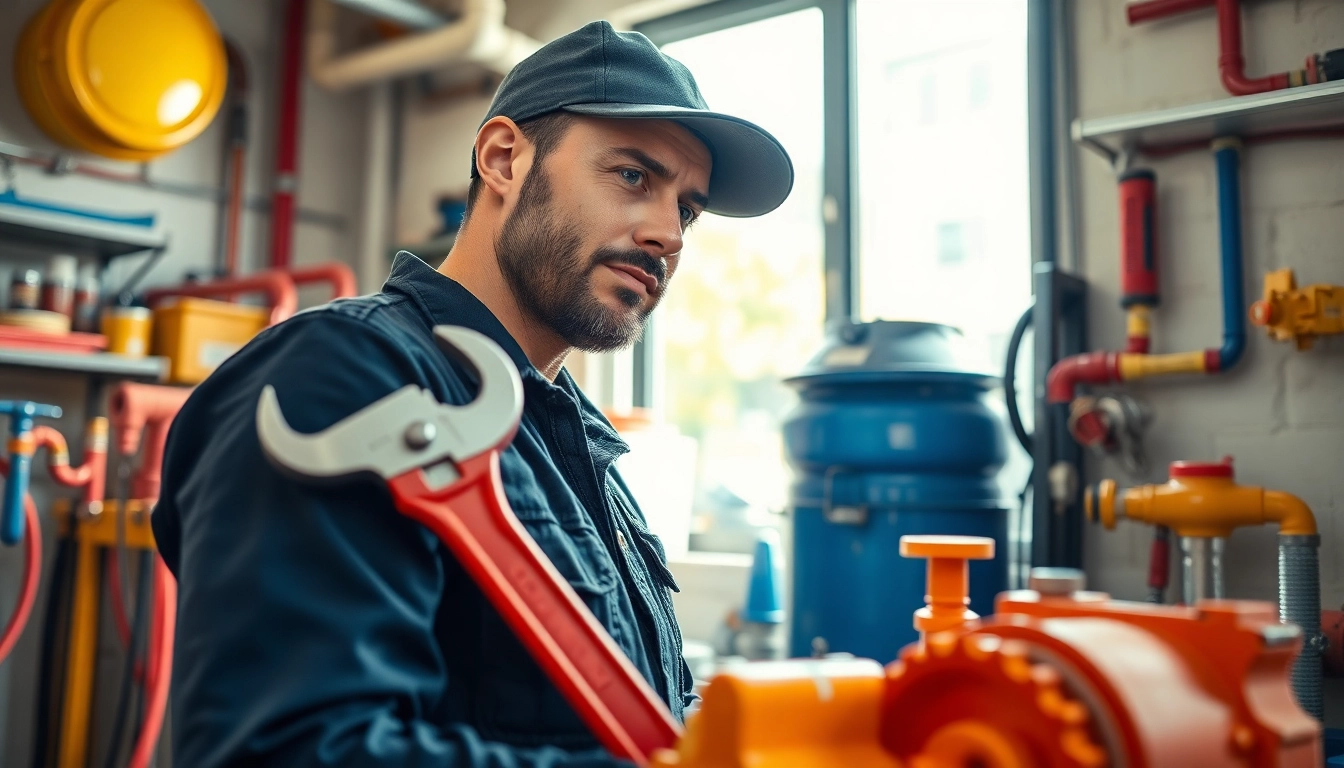
A plumber is a skilled tradesperson responsible for installing, repairing, and maintaining systems that convey water, gas, and waste in various settings. Their work is critical in residential homes, commercial buildings, and industrial environments. Beyond mere pipe fitting, plumbers ensure that sanitation, heating, and cooling systems are functioning properly, complying with regulations to ensure safety and efficiency. This role is built on a foundation of technical knowledge and practical expertise, as plumbing problems can lead to significant health risks if not properly addressed.
Key Skills and Qualifications of a Plumber
To become a proficient plumber, individuals must possess various skills and qualifications, including:
- Technical Knowledge: Understanding water systems, drainage, plumbing codes, and building regulations.
- Problem-Solving Skills: The ability to troubleshoot issues accurately and effectively.
- Mechanical Aptitude: Proficiency with tools and technology common in the plumbing trade.
- Communication Skills: Essential for interacting with clients and explaining complex issues in simple terms.
- Physical Strength: Plumbing often requires heavy lifting and working in cramped spaces.
Most plumbers begin their careers through apprenticeships, combining on-the-job training with classroom instruction to develop these skills.
The Importance of Professional Standards in Plumbing
Professional standards in plumbing ensure the safety and integrity of plumbing systems. Licensed plumbers adhere to local and national codes, guaranteeing that installations are not only functional but also meet health and safety regulations. Professional plumbers utilize best practices for materials and methods, reducing the risk of leaks and failures that can cause extensive damage. Ensuring that your plumbing professional is licensed and insured safeguards homeowners from liability should an accident occur during work.
When to Call a Plumber: Common Issues
Identifying Plumbing Problems Early
Recognizing signs of plumbing issues early can save homeowners significant costs and hassle. Common indicators include:
- Unusual noises: Gurgling drains or banging pipes can signify air trapped within plumbing systems.
- Slow drains: Stagnant water could point to blockages that may worsen over time.
- Water stains: Discoloration on ceilings or walls may indicate hidden leaks.
- Increased water bills: A sudden spike might suggest undetected leaks.
Addressing these issues promptly by contacting a plumber can prevent more serious complications down the line.
The Cost of Ignoring Plumbing Issues
Ignoring plumbing problems can lead to more severe consequences, including extensive water damage, mold growth, and costly repairs. For example, a minor leak left untreated can escalate into a burst pipe, leading to thousands of dollars in water damage and restoration costs. Furthermore, plumbing issues often disrupt daily life and can necessitate emergency services, which tend to be significantly more expensive than routine maintenance.
Emergency Services vs. Routine Maintenance Calls
Understanding the difference between emergency services and routine maintenance can help homeowners to budget effectively for plumbing needs. Emergency plumbing, which addresses immediate crises like burst pipes or severe leaks, typically incurs higher fees due to the urgent nature of the service. In contrast, routine maintenance, such as inspections and minor repairs, is more cost-effective and can prevent emergencies from arising. Regularly scheduled plumbing check-ups can extend the life of your system and minimize unexpected breakdowns.
Finding the Right Plumber for Your Needs
Researching Local Plumbers: Essential Tips
Finding a suitable plumber requires careful research. Start by seeking recommendations from friends, family, or neighbors who have experienced positive service. Online reviews and directories can also provide insight into local plumbers' reputations. Look for professionals who have experience with the specific plumbing issues you're facing. Consider checking their credentials, including licenses, certifications, and insurance, to confirm their legitimacy.
Reading and Understanding Reviews
Online reviews can serve as valuable resources, but it's crucial to discern genuine feedback from potentially unreliable reviews. Look for recurring themes in feedback regarding punctuality, workmanship, and overall customer service. Pay special attention to how plumbers handle complaints or negative experiences, as this can reflect their commitment to customer satisfaction and professionalism.
Interviewing Candidates: Questions to Ask
Once you've narrowed your options, conducting interviews can help you make an informed decision. Essential questions to ask include:
- What is your experience with plumbing issues similar to mine?
- Can you provide references from previous clients?
- What guarantees do you offer on your work?
- How do you handle unexpected costs during a plumbing job?
- What is your estimated timeline for completing the job?
The responses will provide a clearer picture of their expertise and service philosophy.
Preparing for Your Plumbing Service Appointment
What to Expect During a Plumbing Visit
When a plumber arrives for a service appointment, they typically start by diagnosing the issue, which may involve asking questions about symptoms and inspecting the area. Depending on the problem's complexity, repairs can follow during the same visit, though extensive issues may require additional time. Homeowners can expect the plumber to maintain cleanliness throughout the work, protecting the home and communicating clearly about progress.
How to Communicate Your Needs Effectively
Effective communication is key to getting the best service from your plumber. Be clear about the symptoms you’ve observed and any attempts you've already made to resolve the issue. Provide context about previous plumbing work done in the area, as this information can be helpful in diagnosing the problem. If possible, document the issues with photos to share with the plumber before their arrival.
Preparing Your Home for Plumbing Work
Before a plumber arrives, ensure that your home is accessible and that the workspace is clear of obstacles. This might mean moving furniture or removing items from the area where the plumber will work. Additionally, it can be helpful to turn off the water supply if the plumber has requested this in advance. Communicating any special requests or concerns upfront can ensure a smoother process.
Maintaining Your Plumbing System: Best Practices
Regular Inspection and Maintenance Tips
To keep your plumbing system functioning effectively, regular inspections and maintenance are critical. Here are some best practices:
- Annual Inspections: Have a licensed plumber inspect your system at least once a year to catch minor issues before they escalate.
- Flush Your Drains: Periodically flush your drains with hot water to clear buildup and reduce clogs.
- Check Water Pressure: Use a gauge to ensure your water pressure is within an acceptable range; excessive pressure can damage pipes.
Taking these proactive steps can extend the lifespan of your plumbing systems and prevent emergency repairs.
Common Do-It-Yourself Plumbing Fixes
While not all plumbing issues should be handled by homeowners, several minor repairs can be tackled independently. Common DIY fixes include:
- Unclogging Drains: Use a plunger or homemade solutions like vinegar and baking soda to clear blockages.
- Replacing a Faucet Washer: Consider changing out worn washers to mitigate leaks instead of replacing the entire fixture.
- Adjusting a Toilet Float: Fixing the float mechanism can resolve issues with toilets running continuously.
Always assess your capabilities before attempting a DIY fix, and don't hesitate to call a professional if in doubt.
How to Choose Plumbing Products Wisely
Selecting the right products for plumbing repairs and installations can influence the longevity and effectiveness of your plumbing system. Consider the following when shopping for plumbing supplies:
- Quality over Cost: Invest in durable materials; cheaper products may lead to frequent replacements or repairs.
- Research Brands: Look for rave reviews on brands known for reliability and customer service.
- Consider Water Efficiency: Opt for fixtures that conserve water, which can help reduce bills and environmental impact.
By making informed purchases, homeowners can ensure their plumbing systems remain efficient and effective over time.
FAQs
What should I look for when hiring a plumber?
Check for licenses, reviews, and insurance. Ask for references to ensure reliability.
How much does plumbing service typically cost?
Costs vary by region and job complexity but expect an hourly rate between $45 and $150.
Can I fix plumbing issues myself?
Minor issues may be tackled DIY; however, for major problems, it’s best to hire a professional plumber.
What are signs I need to call a plumber?
Leaks, low water pressure, clogged drains, and unusual noises are signs you should call a plumber.
How often should I have my plumbing inspected?
Annual inspections are recommended to catch potential issues early and maintain your plumbing system.